Stay Informed. Stay Empowered.
Subscribe to the Best of Cal Coast for curated financial education and trusted thought leadership—delivered straight to your inbox.

Escondido Branch: Temporarily Closed
We're sorry for the inconvenience. The onsite ATM is still available and accepts deposits. We'd be happy to serve you at our San Marcos branch, the closest to this location, at 140 Knoll Rd, San Marcos, CA 92069, or call us at (877) 495-1600.
Brought to you by Cal Coast’s Financial Fitness team
August 17, 2026
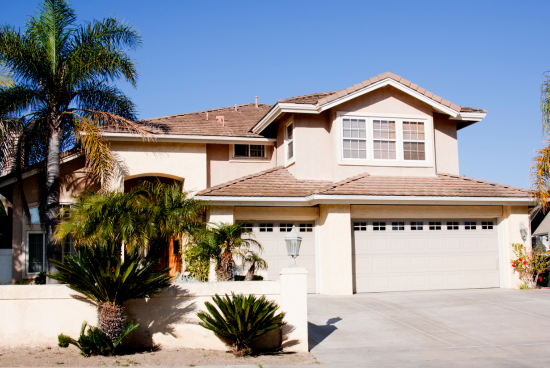
Your Home is an Asset
As you make mortgage payments and your home's value increases over time, you build equity in your property. That equity can become a valuable financial resource, providing access to funds for home improvements, debt consolidation, major purchases, education expenses, or unexpected costs. One of the most flexible ways to access that equity is through a Home Equity Line of Credit (HELOC).
What is Home Equity?
Home equity is the difference between your home's current market value and the amount you owe on any loans secured by the property.
Example:
How Lenders Determine Available Equity
While total equity is important, lenders also determine how much of that equity may be available to borrow.
Most lenders establish a maximum Combined Loan-to-Value (CLTV) ratio, which represents the total amount of debt allowed against the property. A common CLTV limit is 80%, although limits can vary based on credit qualifications, property type, and lender guidelines.
Example:
Available borrowing capacity:
$400,000 − $300,000 = $100,000
In this scenario, the homeowner may qualify for a HELOC with a credit limit of up to $100,000.
What Is a HELOC?
A Home Equity Line of Credit (HELOC) is a revolving line of credit secured by your home. Similar to a credit card, a HELOC provides an approved credit limit that you can access as needed rather than receiving all the funds upfront.
You can borrow from the line, repay the balance, and borrow again during the draw period. Because payments are based on the amount you actually use, a HELOC can offer greater flexibility than many other financing options.
Some key features of a HELOC include:
HELOC vs. a Traditional Second Mortgage
A HELOC is often compared to a Home Equity Loan, also known as a fixed-rate second mortgage. While both allow homeowners to borrow against their equity, they function differently.
With a fixed-rate second mortgage, you receive the entire loan amount as a lump sum at closing and begin making principal and interest payments immediately. Once principal is repaid, those funds cannot be borrowed again.
With a HELOC, funds remain available throughout the draw period, giving borrowers greater flexibility to access money as expenses arise.
A HELOC may be a good choice for:
A fixed-rate second mortgage may be better suited for:
Understanding the Draw and Repayment Periods
Most HELOCs operate in two phases:
Draw Period: The draw period typically lasts up to 10 years. During this time, you can access funds, repay balances, and borrow again as needed.
Some HELOCs may allow interest-only payments during the draw period, which can help keep monthly payments lower. Terms vary by lender and loan program. Because you only pay interest on the amount you've borrowed, a HELOC can be particularly useful for projects or expenses that occur over time.
Repayment Period: Once the draw period ends, the line closes to new advances and enters the repayment period, which often lasts 15 to 20 years.
During this phase:
The Bottom Line
A HELOC allows homeowners to leverage the equity they have built in their homes while maintaining flexibility over when and how funds are used. Unlike a traditional second mortgage that provides a one-time lump sum, a HELOC functions as a revolving credit line that can be accessed as needs arise.
Whether you're planning a home project, consolidating debt, or preparing for future expenses, understanding how a HELOC works can help you make informed financial decisions. Cal Coast Credit Union offers assistance if you are not sure which loan best fits your needs. If you’re interested in learning more you can schedule an appointment with a Cal Coast Mortgage Loan Officer, or send us a message online.

Serving anyone who lives or works in San Diego, Riverside, Orange, Los Angeles, Ventura, Imperial, or San Bernardino counties.