
Stay Informed. Stay Empowered.
Subscribe to the Best of Cal Coast for curated financial education and trusted thought leadership—delivered straight to your inbox.

Beware of website spoofing scams. Please check the url when entering in your credentials. Visit our Security Center for additional tips.
Brought to you by the Financial Coaches at Cal Coast Credit Union
Jan 28, 2026
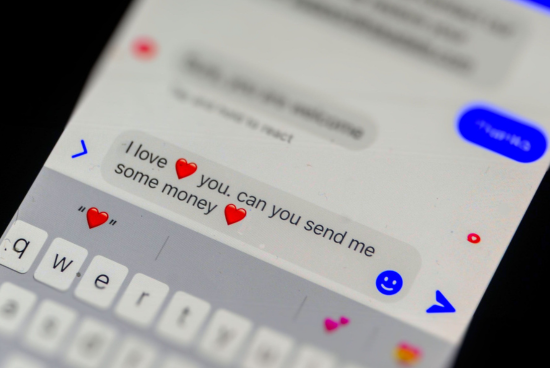
Romance Scams Are on the Rise
You meet someone online who seems genuine, attentive, and deeply interested in you. They message you often throughout the day, ask about you and your feelings, and talk about how they’ve never felt so connected to anyone before. Before long, you’re imagining a future with them and discussing ways to meet. Then you get the text. They need money for a medical emergency, or a business crisis, or their funds are tied up, and they need help with bills. You want to help, so you send the funds believing you’re supporting someone you care about.
This moment, the request for money, is the ultimate goal of countless romance scams.
Romance scams aren’t new, but the scale of the problem has grown dramatically. In 2022, around 70,000 people reported falling victim (FTC Consumer Sentinel Network), and losses remain staggering. The FTC recorded a record $547 million lost in 2021, while Americans age 60+ reported more than $240 million in losses in 2022 (ConsumerAffairs analysis of FTC data).
Here’s how to recognize the warning signs and the steps to take if you or someone you love becomes a victim.
What is a Romance Scam?
A romance scam occurs when someone creates a fake online identity to gain a target’s affection and trust. Once an emotional bond is built—often over weeks, months, or even years—the scammer uses that connection to solicit money or personal information.
Romance scammers target vulnerable individuals, often those who have been recently widowed, divorced, or affected by tragedy, but anyone can be victimized. They typically create fake profiles on:
Their goal is simple: manipulate emotions for profit.
Red Flags to Watch For
While each scam is different, romance scammers follow predictable patterns. Trust your instincts if something feels off. Common warning signs include:
How to Protect Yourself
You don’t need to be a cybersecurity expert to protect yourself. A few simple steps can help you verify whether someone is who they claim to be:
If You’ve Fallen Victim, You’re Not Alone, and There Is Help
Romance scams are designed to make victims feel ashamed or isolated. But the truth is, tens of thousands of people report falling victim every year, and losses span all ages, backgrounds, and income levels.
If you suspect you’ve been scammed:
Your Safety Is Our Priority
Fraud evolves constantly, but you don’t have to navigate it alone. Staying aware, asking questions, and leaning on your credit union as a trusted partner can make all the difference. Acting quickly can limit financial damage and help prevent others from being victimized. The more aware you are, the less of a target you and your loved ones will be.
Have questions? Want more information? We’re more than happy to get in touch.



Serving anyone who lives or works in San Diego, Riverside, Orange, Los Angeles, Ventura, Imperial, or San Bernardino counties.

